팟캐스트Hear the voice. See the shape of the thought.
채널 둘러보기

The Rise of the Full-Stack Builder and Hyper-Leveraged Generalist with Microsoft CEO Satya Nadella
Recorded live at Microsoft Build, this crossover episode between No Priors and Latent Space brings Sarah Guo, Elad Gil, and swyx together for a wide-ranging conversation with Satya Nadella. Satya argues that the platform shift now underway is defined by a single test: can every company operate at the frontier using their own frontier intelligence — their own private evals, their own trained harness, their own context? Across 42 minutes he walks through Microsoft's MAI model lineage strategy, why the enterprise harness (not the model) is the durable moat, how SaaS business models will unbundle and rebundle, and why the "hyper-leveraged generalist" — the full-stack builder who can design, code, and ship — is the defining role of this era. ## [00:00] Satya Nadella Introduction The episode opens with a clip that actually comes from late in the interview: Satya's assertion that the world will grow skeptical of any tech company asking for blind trust, and that the industry must deliver tangible, measurable benefits to earn permission to operate at scale. Sarah Guo and swyx welcome him to the crossover stage at Build, where Satya says he listens to both podcasts regularly. > *"The world is going to be very skeptical of tech and tech companies that say, 'Trust us, we've got it. The future is going to be glorious.' You kind of have to deliver tangible benefits because it's too important this time around."* ## [01:48] Reflections from Microsoft Build Satya's single biggest takeaway from the Build keynote: stop thinking about this as a model race and start thinking about it as an ecosystem play. Every prior Microsoft platform shift — Windows, Azure, Office — succeeded because it created more value above the platform than Microsoft captured inside it. The morning's keynote, he says, was about giving any company — AI-native or legacy enterprise — a clear recipe to become a first-class participant who points to AI *they created*, not just AI they rented. > *"A platform is defined by fundamentally its ability to create more value above the platform versus what's captured in the platform."* ## [03:12] Microsoft's AI Training Strategy The MAI model family started with a deliberate obsession over pre-training data quality — ablating out the noise that makes many open-weight models look strong on benchmarks but brittle in practice. Satya introduces the "hill climbing scaffold": a company takes a frontier model like GPT-5, collects traces from real workflows, then uses those traces to train a small 5B reasoning model that surpasses the larger model on the company's *private* eval. The Lando Lakes demo shown at Build used exactly this approach. His conclusion: private evals have become more strategically important than any publicly available benchmark, because public evals can all be maxed. > *"Each company will have its own private eval. And so that end-to-end platform story around our models is sort of what I think is interesting."* ## [05:48] Complexity of Real-World Deployment of AI Elad Gil asks what Satya would tell himself two or three years ago. His answer: the scaling laws worked, and capability has climbed — "intelligence is log of compute" turned out to be roughly right. What the industry underestimated was the real-world complexity of deployment: getting models to deliver measurable value outside benchmark conditions. The symptom he points to is the "I don't want a token max" complaint from customers, which he reads as evidence that the industry built token-burning products before building token-earning workflows. > *"The true eval is when people out there are able to do unique things that they only can value and it's very measurable — that I wish we had sort of even like had more in our consciousness."* ## [07:33] Augmenting Human Capital Sarah Guo asks beyond coding — what use cases are creating the most value. Satya notes coding worked so well it forced a redesign of the IDE itself: 100 parallel agent sessions generate so much cognitive load that a new UI (canvas, not just chat) became necessary. Beyond coding, the pattern he is watching is "glue work" automation — the coordination, status-tracking, and handoff work that ties together human judgment. Autopilot-class agents running overnight with delegated authority, then surfacing a morning digest of what they completed, compress entire workflow cycles. The bottleneck shifts from execution to review. > *"If you now can augment that with tokens slash agents that are long-running, durable — then your ability to scale even what is still judgment and glue work gets amplified like coding does."* ## [09:37] Harnesses for Enterprise swyx surfaces the key architectural question: if the coding agent needs a harness (environment, context, tools), what is the equivalent harness for broad enterprise productivity? Satya's answer: Microsoft's GitHub harness is now the spine across GitHub Copilot, Security Copilot, and the Discovery for Science products — all multi-model, all with progressive tool disclosure to keep token budgets manageable. The magic, he says, is in the context layer: getting the right context into the plan executor is where most real-world performance comes from. He uses the MDaS security product as existence proof that a multi-model harness can find vulnerabilities that specialized models missed. > *"The amount of work you need to do to prep the context layer such that your plan can execute in the most efficient way is where the magic is."* ## [11:49] Developer Value Sarah Guo sharpens the tension: frontier labs build first-party products that capture most of their revenue — where does the independent developer capture value in that model? Satya's argument is that the network effects of intelligence are not winner-take-all the way Windows was, because models learn from small, novel samples — not from data volume monopolies. That means the developer's durable asset is the private eval that lets them hill-climb on any frontier model and switch providers without losing ground. An open harness plus private evals plus curated context is the new platform investment for any AI-native company. > *"Every company having private eval maybe the biggest IP right now — I think about it like what's that private eval that you can then use even a frontier model to hill climb on and not leak the traces."* ## [15:09] Can Everybody Operate at the Frontier with Their Frontier Intelligence? Satya crystallizes the developer conference thesis: the whole point of a platform is to let someone else extend and build their own intelligence layer on top. Without that, a developer conference is just a showcase for one model. He uses the NVIDIA/CUDA parallel — he jokingly tells Jensen he wishes Microsoft had built CUDA — to underscore that the most powerful platform moves are when an infrastructure layer enables others to run far beyond what the platform vendor imagined. > *"Without it, why have a developer conference? I can just come and have you all sort of just worship at the altar of one model. But that's not a developer conference."* ## [15:51] Modern Definition of IP A backstage conversation before the taping surfaced the question of what IP means now. Satya's answer: human capital used to be the irreducible tacit knowledge — impossible to put on a balance sheet. Agent traces change that. Every interaction between a human and an agent inside Teams or GitHub or M365 is a trace that can train a company-specific "veteran agent" — not a generalist, but one that has absorbed how *this* company creates value. That trained agent should, Satya argues, go on the balance sheet the way patents do today. > *"When a company says it should in fact go onto the balance sheet is how I think about it — the agents that have learned through time through all the traces."* ## [17:38] Future of Vendor vs. Enterprise Agents Sarah Guo raises the "end of software" debate: if workflows are cheap to generate, what survives of the SaaS stack? Satya deconstructs the SaaS vertical: the data model at the bottom (the general ledger, the entity relationships) remains valuable and stable — nobody wants a new schema for their general ledger. Business logic encapsulated in something like PowerBI's semantic model also survives. What changes is the UI and configurability layer, which can be dynamically generated. The result is unbundling and rebundling, not wholesale replacement. He points to Work IQ (the M365 graph exposed as an agent-accessible database) as the example: a GitHub repo can now query meeting transcripts from the previous week and generate a code-change plan — a use case that was structurally impossible before. > *"I go to a GitHub repo and I say, 'Hey, I attended a bunch of design meetings last week related to this repo. Can you capture all that and tell me what changes I should make?' It literally can go look at all those transcripts, come back with a plan to change a code base."* ## [21:48] Near-Term Predictions on Model Pricing Satya maps the pricing evolution: per-user subscriptions persist because enterprise budget owners need certainty and entitlements. Consumption tiers layer on top as agent intensity grows. Outcome-based pricing is conceptually attractive but psychologically unstable — customers who love it in theory balk when the invoice arrives, because paying on outcomes feels like giving away royalty. His concrete example: GitHub Copilot was priced as a per-user interactive tool, but agentic workloads running 10,000 parallel sessions all day require a consumption meter alongside the per-user base. > *"Most people love outcomes until they have an outcome. Because once you have an outcome, it's like giving away royalty."* ## [24:02] Durability of SaaS The "agent euphoria" phenomenon inside enterprises — teams convinced they can rebuild their SaaS stack in six months — will, Satya predicts, run into the maintenance reality after one budget cycle. The build-vs-buy calculus is quantifiable: acquire when the marginal cost of building and maintaining exceeds the vendor price. Maintenance includes security patching (AI will find vulnerabilities faster, which means you have to fix them faster), and fixing costs tokens. The net result: SaaS survives as a category but vendors who won't expose flexible pricing and open agent interoperability will lose accounts to those who do. > *"I think we've gone through the excitement that I can generate a lot of software. I think the next thing would be what software do I really want to generate? What software do I want to use from others?"* ## [25:58] What Satya's Building Elad Gil asks what Satya is personally building. He describes a chief-of-staff autopilot agent he built in a week using Work IQ, Azure Foundry long-running agents, and Rayfin for memory storage. The agent monitors his context continuously, and when he published it to Teams, it deployed automatically. His broader point: GitHub Copilot Sessions has made it possible even for a CEO to have meaningful agency over codebases — not to replace engineers but to inspect, learn, and have a full-stack view of what his organization is building. > *"I could say publish to teams and it published the damn thing to teams. The ability to have a you know some end-to-end project like this complete is just pretty miraculous."* ## [28:18] Future of Engineering Roles swyx asks whether the "four engineering roles" thesis — agent managers, forward-deployed engineers, security engineers, and large-scale infrastructure owners — captures the future. Satya points to what LinkedIn already did structurally: created a "full-stack builder" discipline that merges design, product management, and front-end engineering while preserving individual domain edges. The role expands scope without erasing specialization. He flags infrastructure as the other growth area — building the reward learning environments (RLEs) for models like Excel's agent is a distributed systems problem, not a product problem. But his highest-conviction bet is on the hyper-leveraged generalist: the person who used to produce Word documents and spreadsheets and can now, in the same cognitive breath, ship an application. > *"The generalist role is going to be the most exciting right because the leverage of a generalist is where we are going to see the maximum returns."* ## [30:54] How Microsoft Can Be More Ambitious Sarah Guo cites her partner's essay arguing this is the moment for radical ambition. Satya's framework: the key move is to give yourself permission to do "meta work" — not to do the task, but to build the agentic system that does the task. He uses the Azure network team as the central example: faced with building more Azure capacity in 15 months than in the first 15 years, the network engineers said their job was no longer fiber operations — it was building the agentic system ("Miles") that does fiber operations. They told Satya they didn't need more headcount, they needed more tokens. That reconceptualization is the ambition unlock — analogous to how the PC era was never really about typing, it was about knowledge work. > *"Our job is not to do Azure networking. Our job is to build the agentic system that does Azure networking."* ## [34:36] Data Centers and Community Impact Elad Gil raises the community-level stakes of the data center buildout. Satya is direct: unless communities see tangible local benefits — stable or lower energy prices, water replenishment through closed-loop systems, construction jobs, post-construction tax base — the industry will lose the social license to operate. He frames it historically: technologies that consumed large amounts of energy while creating broad societal value have had good outcomes; those that didn't, haven't. The token economy needs the same proof: productivity gains, economic growth, and broad participation visible at the community level, not just in enterprise earnings. > *"Unless we as an industry are very principled about ensuring that the benefits of all the stuff we're talking about are felt in real ways at the community level — it has to be real."* ## [38:01] AI's Impact on Society swyx asks what Satya has most updated his personal models on regarding societal impact. His answer: the most critical thing in the next 12–18 months is making it legible to ordinary people that they have a real shot as first-class participants in the AI economy — through health outcomes, startup formation, running a local business more efficiently. The abstract promise ("trust us, it'll be great") has already exhausted its credit. The test is whether politicians who advocate for AI-driven productivity gains can win elections because their constituents saw real benefits, not just stock returns. > *"I think the world is going to be very skeptical of tech and tech companies that say trust us we've got it the future is going to be glorious — you kind of have to deliver tangible benefits."* ## [39:52] AI and Education Sarah Guo notes education as an area where AI's impact has been slower than expected. Satya points to his visit with the founders of Alpha School as an example of genuinely rethinking pedagogy — not just digitizing old curricula. He flags a Stanford CS course that still teaches students when to apply softmax correctly (concept-first) rather than just prompting agents to fix training runs, as evidence that conceptual foundations remain necessary. But the credentialing system, the incentive structures for learning, and the link between credentials and employment opportunity all need to change together. His closing bet: the next big startup success story might be someone who builds a new university or a new curriculum-to-employment pipeline. > *"Maybe the next big startup and success story could be someone who builds a new university or a new pedagogy even of how to get someone to go through a curriculum and find economic opportunity."* ## Entities - **Satya Nadella** (Person): Microsoft Chairman & CEO; the primary guest throughout. - **Sarah Guo** (Person): GP at Conviction and No Priors co-host; interviewer. - **Elad Gil** (Person): Independent investor and No Priors co-host; interviewer. - **swyx** (Person): Latent Space host; interviewer for the Microsoft Build crossover. - **Microsoft** (Organization): Publisher of Azure, GitHub, Microsoft 365, and the MAI model family. - **GitHub Copilot** (Software): Microsoft's AI coding assistant; the anchor product for the multi-model harness strategy. - **Azure Foundry** (Software): Microsoft's platform for deploying long-running agentic workflows and custom model fine-tuning. - **Work IQ** (Software): Microsoft 365 graph exposed as an agent-accessible database, enabling cross-product context queries. - **MAI models** (Concept): Microsoft's in-house model family, built with a clean pre-training lineage and designed for enterprise hill-climbing via private evals. - **Private eval** (Concept): A company's proprietary benchmark capturing its unique workflows; Satya argues this is now the most important form of intellectual property. - **Multi-model harness** (Concept): An orchestration layer that routes across multiple models, tools, and context sources — the durable enterprise moat vs. any single model. - **Full-stack builder** (Concept): LinkedIn's structural role combining design, product, and engineering into a generalist with broader scope and higher AI leverage. - **Alpha School** (Organization): Education startup whose founders Satya met with while rethinking AI's role in pedagogy. - **MDaS** (Software): Microsoft's security product that demonstrated multi-model harness performance superiority over specialized models in vulnerability detection.
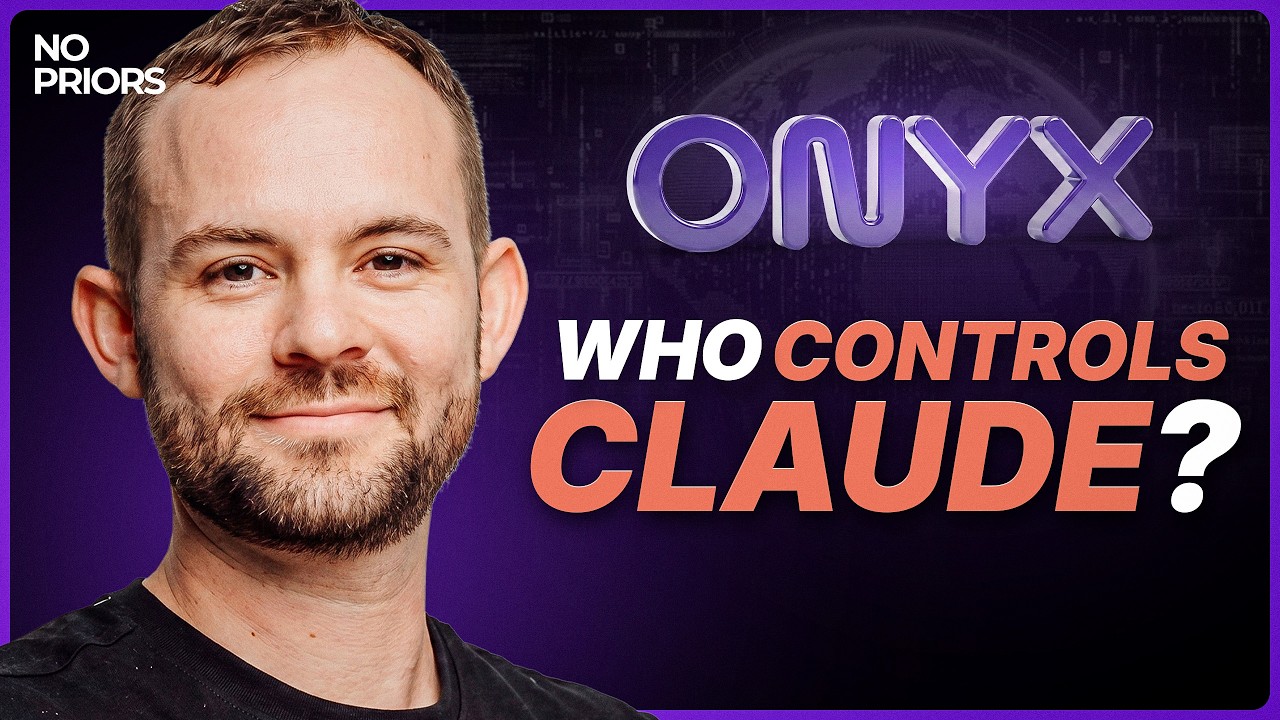
Onyx Security CEO Maxim Bar Kogan과 함께하는 엔터프라이즈 AI 감시자 구축
Sarah Guo가 Onyx Security 공동창업자 겸 CEO Maxim Bar Kogan과 나눈 대화. 엔터프라이즈 규모에서 AI 에이전트를 실질적으로 보안하려면 무엇이 필요한지를 다룬다. Maxim은 프록시, 권한 제한, 인간 검토 같은 전통적인 통제 수단이 에이전트 행동이 지수적으로 늘어나면 무너진다고 주장한다. 유일하게 현실적인 대안은 언제 더 무거운 감시자에게 에스컬레이션해야 할지 판단하는 특화된 소형 모델을 훈련하는 것이다. 대화는 Onyx의 '보안 컨트롤 플레인' 제품, 맞춤 모델 훈련의 비용-지연 시간 계산, 랩들이 자사 모델의 안전을 스스로 인증할 수 없는 이유, 그리고 AGI가 올 것이고 독립적인 AI 감시가 수천억 달러짜리 사업이 될 것이라는 Maxim의 확신을 다룬다. ## [00:00] 오프닝 Maxim은 바로 본론으로 들어간다. 엔터프라이즈가 AI 에이전트를 더 많이 활용할수록 잘못된 행동도 따라온다 — 에이전트가 실수로 자격증명을 공개하거나, 허가받지 않은 네트워크 호출을 하거나, 되돌릴 수 없는 단계를 밟는 일들이다. 기업들은 이미 도입 흐름을 막을 수 없다는 걸 알고 있다. 문제는 정당한 에이전트 행동과 그렇지 않은 것을 구별할 어떤 수단도 없다는 것이다. 이 클립은 인트로 전에 Onyx의 핵심 테제를 먼저 제시한다. > *"엔터프라이즈들이 그 리스크가 기하급수적으로 커지고 있고 도입을 막을 방법이 없다는 걸 깨닫기 시작하고 있습니다. 이제 이 에이전트 행동이 비정상적이거나 잘못될 가능성을 줄이기 위해 무언가를 해야 하는 것이죠."* ## [00:45] Maxim Bar Kogan 소개 Sarah가 Maxim을 Onyx Security의 공동창업자 겸 CEO로 소개한다. 이스라엘 기반 스타트업으로 연구자, 수학자, 엔지니어들로 구성되어 있으며, AI 에이전트를 감시하는 에이전트를 만드는 회사다. 공격적 사이버 전문성과 합성 데이터 및 기계적 해석 가능성 연구를 아우르는 깊은 AI 연구를 결합하고 있다. ## [01:10] AutoGPT와 에이전트 행동에 거는 베팅 2년 전 엔터프라이즈 보안의 위험 담론은 챗봇용 DLP였다 — 직원들이 민감한 데이터를 ChatGPT에 붙여 넣는 문제. 그 틀은 이제 자율 에이전트 행동에 대한 공황에 가까운 우려로 바뀌었다. Maxim은 Onyx의 베팅이 AutoGPT에서 시작됐다고 말한다. LLM이 스스로 무엇을 할지 결정하고, 도구를 호출하고, 루프를 도는 최초의 에이전트 — 텍스트를 생성하는 게 아니라 행동하는 에이전트였다. 그 데모는 에이전트가 실제 세계에서 자율적으로 행동할 수 있다는 걸 증명했고, Maxim은 누군가 그 행동들을 대규모로 감시해야 한다는 결론을 즉각 내렸다. > *"AutoGPT는 저를 포함해 모든 사람의 상상력을 자극했습니다. LLM이 텍스트를 생성하는 게 아니라 무엇을 할지 직접 결정하고 그 에이전트에게 API 접근권을 줘서 실행하게 하는, 진정한 최초의 자율 에이전트였으니까요."* ## [05:17] Onyx 제품이 하는 일 Onyx는 두 가지를 한다. 다른 에이전트를 감시하는 모델과 에이전트를 훈련하고, 그 역량을 엔터프라이즈 AI 스택에 꽂을 수 있는 '보안 컨트롤 플레인'으로 패키징한다. 컨트롤 플레인은 에이전트 행동의 정당성을 실시간으로 판단하면서 지연 시간, 비용, 신뢰성 사이의 균형을 관리한다. Maxim이 그리는 장기 비전은 엔터프라이즈 보안을 넘어선다. AI 에이전트를 운영하는 모든 회사는 그 에이전트가 무엇을 하는지 인증할 벤더 독립적인 주체가 필요하다. > *"이 행동들의 수가 기하급수적으로 늘어나고 있습니다. 과거에 유용할 것 같았던 것들 — 인간이 루프 안에 있는 것 — 이제 이 행동이 100배, 1000배, 100만 배가 된다면 그건 작동하지 않습니다."* ## [07:47] 대형 엔터프라이즈의 AI 도입 현황 오늘날 대형 엔터프라이즈의 AI 도입을 보면 Maxim은 세 가지 유형을 발견한다. 로우코드 SaaS 자동화(드래그앤드롭 방식, 진정한 자율성은 없음), 사내에서 구축하거나 고객 대면 제품으로 만든 자체 에이전트, 그리고 자율 코딩 에이전트와 어시스턴트다. 이 세 가지 중 코딩 에이전트가 AI 사용량의 50% 이상을 차지한다. 금융 서비스나 의료 같은 가장 성숙한 분야가 가장 엄격한 통제를 두고 있지만, 가장 신중한 기업들조차 AI를 전면 금지하는 단계는 지나 관리하는 단계로 넘어왔다. > *"평균적인 엔터프라이즈에서 자율 코딩 에이전트와 어시스턴트가 50% 이상입니다."* ## [09:58] 에이전트 보안 엔터프라이즈는 이미 보안에 연간 약 1,000억 달러를 쓴다 — 엔드포인트, 네트워크, 클라우드, 신원 관리. Sarah가 그 중 얼마나 에이전트 보안에 활용될 수 있는지 묻는다. Maxim의 답: 거의 없다. 가장 기본적인 계층인 신원 통제가 실패하는 이유는 에이전트들이 사전에 범위를 정할 수 없는 광범위하고 동적인 권한을 필요로 하기 때문이다. 저장소 전체에 걸쳐 코드를 작성하거나 임원을 대신해 이메일을 보내는 에이전트는 정적 소프트웨어 프로세스처럼 좁은 권한으로 묶을 수 없다. 공격 표면은 접근이 아니라 의도에 있고, 기존 도구는 의도를 읽지 못한다. > *"이 자율 AI, 이 어시스턴트, 이 코딩 에이전트들에게 사전에 어떤 권한을 줘야 할지 정말로 알 수가 없습니다."* ## [12:45] 프록시가 통하지 않는 이유 Sarah의 보안 배경에서 나온 직관: 이건 더 스마트한 정책 엔진을 가진 프록시 문제처럼 들린다. Maxim은 프록시가 일부 아키텍처에서 통합 지점으로는 작동한다고 인정하지만, 핵심 문제를 완전히 놓친다고 말한다. 프록시는 데이터 스트림을 준다. 그 스트림 안의 행동이 정당한지는 알려주지 않는다. 그 판단은 맥락 이해가 필요하다 — 에이전트의 목표, 이력, 엔터프라이즈가 허가한 것이 무엇인지. 어떤 규칙 엔진도 임의의 에이전트 행동에 걸쳐 그걸 평가하는 방법을 알지 못한다. > *"어려운 문제는 지금 내가 해야 할 일이 괜찮은지 이해하는 것입니다. AI 시스템의 경우 그게 바로 핵심 질문입니다."* ## [14:11] Onyx가 자체 모델을 훈련하는 이유 가장 단순한 해결책 — Claude Code로 Claude Code를 감시하는 것 — 은 비용과 지연 시간에서 무너진다. 모든 엔터프라이즈 에이전트에 대해 프론티어 모델 에이전트를 돌리면 보안 레이어가 보호 대상인 AI보다 더 비싸진다. Onyx의 답은 정확히 한 가지만 하는 작고 고도로 특화된 모델이다. 현재 행동을 더 무거운 감시자에게 에스컬레이션해야 할지 판단하는 것. Sarah는 블리츠 체스에 비유한다. 그랜드마스터는 빠른 수에서는 직관으로 두고 결정적인 분기점에서만 멈춘다. Maxim은 체스 비유가 맞다고 말한다 — 리스크가 가장 높은 지점에 지능을 집중하고 나머지는 최대한 가볍게 유지해야 한다. > *"한 가지만 잘하는 모델을 훈련하려고 합니다. 매우 작고, '더 스마트한 에이전트가 이걸 봐야 할까?'라고 말하는 것 외에는 거의 아무것도 못 하는 모델들이죠."* ## [18:38] Onyx의 인재 문화 8200 같은 부대, Armis와 Wiz 같은 회사로 대표되는 이스라엘의 보안 인재는 잘 알려져 있다. Onyx의 DNA는 다르다. 공동창업자 Gil의 배경은 공격적 사이버가 아니라 합성 데이터와 NVIDIA다. Onyx의 연구 엔지니어링 인력 대부분은 수학과 사이버의 교차점에 집중하는 이스라엘 정보부대 출신이다. Maxim은 이 조합이 의도적이라고 본다 — Onyx가 해결하려는 장기 문제는 엔터프라이즈 보안만이 아니라 어떻게 고도화된 AI를 통제할 것인가, 그 자체이기 때문이다. 그러려면 보안 감각 곁에 깊은 AI 전문성이 필요하다. 이스라엘 전체가 AI에서 빠르게 따라잡고 있다. 월드 모델, AI 인프라, 칩 분야 모두. > *"문제는 사이버보안만이 아닙니다. 장기적으로 고도화된 AI를 어떻게 통제할 것인가의 문제입니다 — 엔터프라이즈 보안 격차를 잊는다 해도 그 문제는 매우 중요하게 들립니다."* ## [21:24] 기계적 해석 가능성 Maxim은 기계적 해석 가능성 — 모델 가중치와 활성화 내부에서 실제로 무슨 일이 일어나는지 이해하는 것 — 이 가능하고 또 필요하다고 믿는다. 그의 반직관적인 테제: 모델이 중요한 영역에서 인간보다 훨씬 스마트해질수록, 다른 모델의 내부 구조를 해독하는 데도 우리보다 더 잘 갖춰질 것이라는 것이다. Onyx는 보안 도구로서만이 아니라 지능 자체를 이해하는 창으로서 이 분야 연구에 적극적으로 투자하고 있다. Sarah는 그 베팅을 지지하며, AI뿐 아니라 인지 자체를 이해할 기회라고 말한다. > *"적어도 일부 중요한 면에서 우리보다 훨씬 스마트한 모델을 갖게 되기 시작하면서, 기계적 역량을 훨씬 더 효과적으로 해독할 수 있게 될 것이라 생각합니다."* ## [23:35] Onyx가 고객 신뢰를 쌓는 방법 포춘 10, 20위 기업들은 보통 100명도 안 되는 2년짜리 스타트업과 일하지 않는다. 그 규칙을 깨는 것은 고통이다. 매일 에이전트 행동 사고를 겪는 CISO들에게는 전화할 기존 업체가 없다. 3년 전에는 이 문제 자체가 없었기 때문이다. Onyx는 스텔스에서 나오자마자 문제 설명이 자신들이 이미 불끄고 있던 것과 맞아떨어졌던 엔터프라이즈들로부터 인바운드를 받는다. Maxim은 이 창이 좁고 일시적이라고 본다 — 엔터프라이즈 구매자들은 신생 스타트업도 성장한다는 걸 알고, 뒤늦게 도입하는 것보다 일찍 제품을 함께 만들어가는 고객이 되는 걸 택한다. > *"이런 기회는 고통이 아주 강할 때만 생깁니다. 고통이 너무 강해서 이렇게 말하는 거죠. '이 회사가 방금 스텔스에서 나왔다고? 근데 내가 매일 겪는 문제야. 전화해봐야겠어.'"* ## [25:10] 근본적인 수준에서의 리스크 완화 CISO들의 두 번째 공황 — 에이전트 행동을 넘어 — 은 자동화된 취약점 연구의 비용이 급락하고 있다는 것이다. 코딩 도구가 이제 불과 몇 년 전만 해도 수십 년은 걸릴 것 같았던 규모로 취약점을 찾고 악용할 수 있다. Maxim은 시장이 과잉반응하는 게 아니라고 말한다. 이건 진짜 구조적 전환이다. 올바른 대응은 두 갈래다. 지금 당장의 빠른 패치와 완화 통제, 그리고 공격자의 도구가 무엇을 하든 상관없이 악용 가능한 표면을 줄이는 근본적인 통제 — 잠긴 신원, 방화벽, 엔드포인트 감지 — 에 대한 투자다. > *"진짜 해결책은 — 대형 엔터프라이즈의 모든 보안 리더가 알고 있듯이 — 이런 리스크를 피하기 위한 기반 요소들을 갖추는 것입니다."* ## [27:45] Glasswing과 Daybreak의 단계적 출시 Anthropic의 Glasswing과 OpenAI의 Daybreak — 더 강력한 모델에 대한 통제된 출시 프로그램에 대해 Maxim은 조건부 입장을 취한다. 단계적 출시는 전 세계적으로 조율된다면 이상적이다 — 플레이북을 만들고, 지식을 공유하고, 전력망이나 항공사에서의 대규모 실패를 방지할 시간을 벌어준다. 하지만 어떤 행위자가 단계적 일정보다 먼저 비슷한 수준의 모델을 출시한다면, 단계적 접근 자체가 오히려 부담이 된다. 조기 접근권을 얻지 못한 기업들이 대비할 기회조차 없었던 위협에 노출되기 때문이다. 그의 권고는 더 많은 조직이 병렬로 방어를 구축할 수 있도록 접근권을 넓게 열어주는 것이다. > *"만약 누군가가 메서드 수준 모델에 더 일찍 도달한다면, 돌이켜보면 그건 큰 실수였을 것입니다 — 적어도 기업들에게 매우 빠르게 움직일 선택권을 줄 수 있었을 텐데."* ## [29:11] 도입을 미루는 대형 엔터프라이즈 2년 전만 해도 대형 기업들 중 상당수가 단순히 AI를 금지했다. 오늘날 Maxim은 그런 경우를 거의 보지 못한다. 금융 분야는 여전히 제약을 둔다 — 에이전트는 허용하되 어떤 도구를 쓸지는 제한하는 식으로 — 하지만 전면 금지는 사라졌다. 그는 이것이 옳다고 본다. 특정 도구에 종속되는 것 자체가 리스크이기 때문이다. 이 시장이 움직이는 속도에서 한 벤더 모델에만 베팅하는 것은 다음 세대가 판도를 바꿀 때 발목이 잡힌다는 뜻이다. 폭넓은 도구를 허용하면서 엄격하게 관리하는 기업이 공격적으로 제한하는 기업을 앞설 것이다. > *"1년 전 OpenAI에 베팅했다면 세상에서 가장 안전한 베팅이었겠지만, 갑자기 Anthropic이 훨씬 더 좋은 모델과 도구를 갖게 됐죠."* ## [30:46] Onyx와 더 넓은 AI 보안 시장 AI 보안은 새로운 벤더와 새로운 공격 표면으로 혼잡하다. 제품 범위에 대한 불안에 Maxim이 내놓는 반론은 이렇다. 2026년 AI의 두 가지 핵심 기반 — 트랜스포머 기반 파운데이션 모델과 도구 호출 에이전트 루프 — 은 수년간 근본적으로 바뀌지 않았다. 그 안정성 덕분에 Onyx는 핵심 기술을 가볍게 유지하면서 다양한 에이전트 애플리케이션을 향해 구축할 수 있다. 아키텍처 전환에 대한 진짜 헤지는 어떤 단일 모델 패러다임이 영원히 지속될 것이라는 데 베팅하는 게 아니라, 빠르게 재훈련하고 적응할 수 있는 연구자에게 투자하는 것이다. > *"2026년 AI가 작동하는 두 핵심 기둥은 지난 몇 년간 바뀌지 않았습니다. 여전히 대체로 LLM 파운데이션 모델이고, 여전히 거의 같은 방식으로 에이전트를 구축하고 있죠."* ## [32:36] 랩들이 모델 신뢰와 거버넌스를 직접 해결해야 할까? 베이 에어리어에서 가장 뜨거운 질문. 랩들이 결국 신뢰와 거버넌스 문제를 스스로 흡수할까? Maxim이 내놓는 구조적 반론은 이렇다. 구매자들은 차를 판 사람이 차를 인증하는 걸 원하지 않는다. 보안팀에는 자신의 제품 명성을 지키는 벤더가 아니라, 사업 모델 자체가 옳아야만 살아남는 독립적인 주체가 필요하다. 구매자 심리를 넘어서, Maxim은 '들쑥날쑥한 지능' 실수 — 더 강한 모델이 나오면 나아질 어리석은 오류들 — 와 의도 수준의 실패 — 적대적 조작, 잘못 정렬된 목표, 목표 표류 — 를 구분한다. 랩들은 첫 번째 범주는 고칠 것이다. 두 번째는 구조적으로 독립된 감시자만이 다룰 수 있다. > *"어떤 제품의 벤더가 그 제품이 당신의 환경을 망가뜨리지 않을 것이라고 말하는 걸 신뢰하지는 않을 것입니다. 전적으로 이 제품이 올바르다고 말하는 것에 사업이 달린 독립적인 주체를 원하겠죠."* ## [36:56] 보안에서 반드시 일어나야 할 것들 Sarah가 묻는다. 더 넓은 기술 및 연구 커뮤니티 — 특히 랩들 — 가 보안 관점에서 무엇을 놓치고 있는가. Maxim의 답: 기술적 격차가 아니라 공감의 격차다. 보안 제품을 만들려면 보안팀이 실제로 어떻게 운영되는지 깊이 이해해야 한다 — 조직 구조, 책임 범위, 정보 흐름. 이스라엘이 강한 보안 인재를 배출하는 이유 중 하나는 군 복무가 엔지니어들에게 나중에 자신이 만들 제품의 최종 사용자가 되는 직접 경험을 주기 때문이다. 랩들은 그 제품을 배포하고 방어해야 할 조직의 운영 현실에 충분히 주의를 기울이지 않고 역량을 구축하고 있다는 것이 그의 암묵적 지적이다. > *"어떤 기술 문제를 해결하든 결국 사람을 위한, 특정 구조를 가진 조직을 위한 도구를 만드는 것입니다. 기술 문제만 해결하는 게 아니라 그들이 진심으로 좋아하는 제품을 이 대상을 위해 만드는 건 정말 어렵습니다."* ## [39:14] Maxim이 AGI를 믿는 이유 Sarah가 마무리하며 Maxim이 인간 보안팀이 앞으로도 몇 년은 존재할 것이라고 암묵적으로 믿고 있음을 지적한다. 그는 맞다고 하면서도 타임라인을 더한다. 보안팀은 가까운 미래에 완전히 AI 에이전트가 운영할 것이다. 대부분의 지식 노동이 그렇게 될 것처럼. 그가 말하는 현실적인 AGI 낙관론은 훌륭한 제품을 만드는 일은 변하지 않는다는 것이다. 최종 사용자가 누구인지 항상 알고 그들의 경험을 최적화해야 한다. 지금은 몇 명의 에이전트를 곁에 둔 인간이다. 그 비율이 뒤집힐 때도 같은 원칙이 적용된다 — 다만 대시보드 대신 컨텍스트 창을 읽는 에이전트를 대상으로 할 뿐이다. > *"오늘 제가 제품을 팔 때는 몇몇 에이전트가 곁에 있는 인간 대상에게 팝니다. 그 대상이 인간보다 에이전트가 더 많아지면, 에이전트가 일을 하는 방식에 맞게 진화하고 잘 작동하게 만드는 것이 중요해질 것입니다."* ## 등장인물 - **Maxim Bar Kogan** (인물): Onyx Security 공동창업자 겸 CEO. 이스라엘 정보부대 출신, 수학과 공격적 사이버 배경. - **Sarah Guo** (인물): No Priors 진행자, Conviction의 창업자 겸 GP. - **Onyx Security** (조직): AI 감시 인프라를 구축하는 이스라엘 기반 스타트업. 엔터프라이즈 AI 에이전트를 모니터링하고 통제하기 위한 특화된 소형 모델을 훈련한다. - **AutoGPT** (소프트웨어): 초기 오픈소스 자율 LLM 에이전트. Maxim이 에이전트 리스크를 구체화한 변곡점으로 꼽은 프로그램. - **Glasswing / Daybreak** (소프트웨어): 각각 Anthropic과 OpenAI의 프론티어 모델 접근에 대한 통제된 출시 프로그램. - **기계적 해석 가능성** (개념): 신경망의 내부 가중치와 활성화 구조를 이해하려는 연구 프로그램. Onyx는 이를 AI 감시의 장기 기반으로 삼는다. - **보안 컨트롤 플레인** (개념): Onyx의 제품 카테고리 — 에이전트 권한, 행동 정당성, 행동 이력을 실시간으로 모니터링하는 벤더 독립적 레이어. - **8200** (조직): 이스라엘 정보부대. 이스라엘 최고의 보안 및 기술 인재, Onyx 엔지니어 다수를 배출한 것으로 알려져 있다.
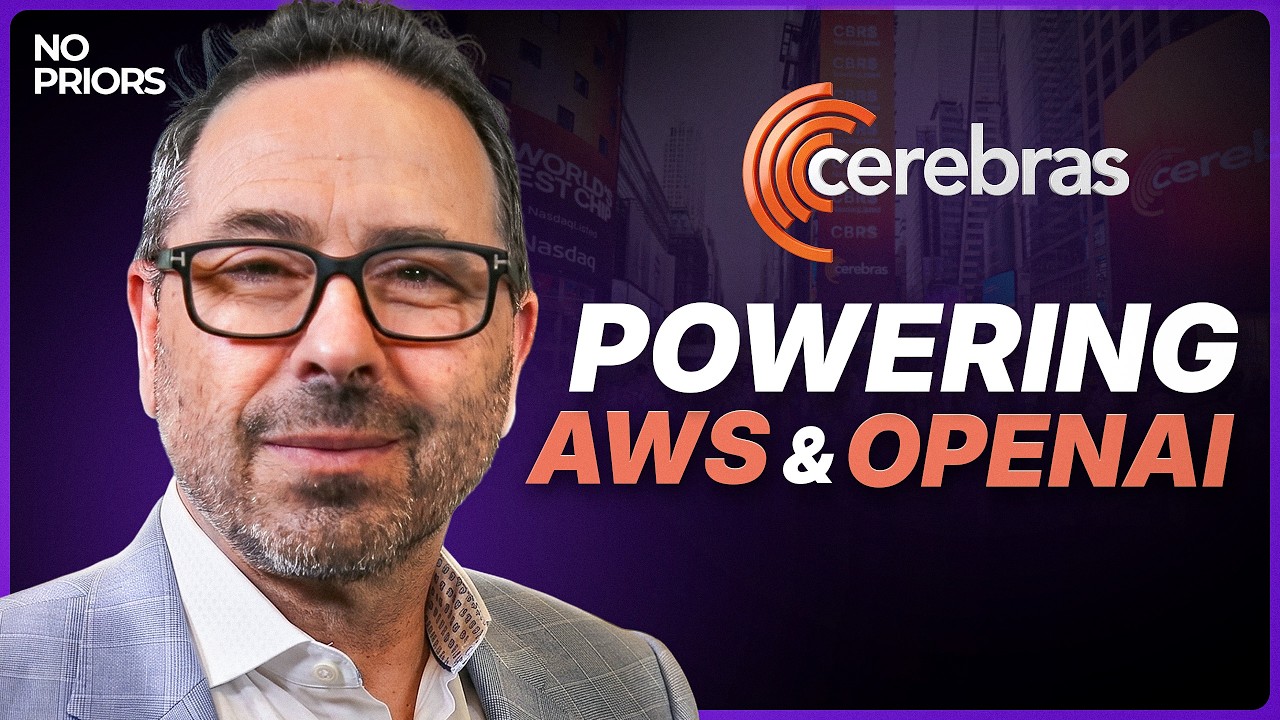
The Story Behind Cerebras’ $63 Billion IPO with Founder and CEO Andrew Feldman
Andrew Feldman, CEO of Cerebras, details the company's journey from a controversial 'wafer-scale' architecture to a $63 billion public valuation. He explains how their radical hardware design delivers 15-20x faster AI inference than traditional GPUs, enabling new business models and a fundamental reorganization of productivity. ## [00:00] – Cold Open Andrew Feldman compares the impact of AI speed to Netflix's transition from DVD delivery to streaming, noting that extreme speed opens entirely new business models. He predicts a fundamental reorganization of productivity as AI moves beyond basic coding and design tasks. > *that's what happens with speed and I think that's what fast AI does right now [00:10]* ## [00:41] – Andrew Feldman Introduction Host Sarah Guo introduces Andrew Feldman and highlights Cerebras' recent IPO and its current $63 billion market cap. The discussion frames the company's transition from early machine learning research to dominating the foundation model inference market. > *Serbust recently went public and is currently worth about $63 billion in the stock market. [00:54]* ## [00:48] – Cerebras’ Evolution Feldman describes Cerebras as a builder of AI-optimized computers that outperform GPUs by up to 20x in inference tasks across all model sizes. He attributes their recent success to AI models becoming smart enough for daily utility in 2025, leading to massive contracts with OpenAI and AWS. > *we're the the fastest at inference, not by little, but by a lot, 15, 18, 20x faster than GPUs. [01:39]* ## [02:17] – Wafer-Scale Bet Pays Off The conversation explores Cerebras' unique 'wafer-scale' architecture, which utilizes a single chip the size of a dinner plate. Feldman argues that radical performance improvements require radical designs, noting that critics initially dismissed the approach as impossible. > *we chose wafer scale, which means we build a 46,000 square millimeter chip, a chip the size of a dinner plate [03:39]* ## [06:38] – Challenges and Breakthroughs Feldman recounts a high-stakes period between 2017 and 2019 when the team struggled to make the technology work while spending $8 million monthly. He emphasizes that while the technical breakthrough occurred in 2019, market demand only exploded once AI became an essential daily tool. > *We had a period between about 2017... and middle of 2019 where we couldn't build it. [07:34]* ## [08:37] – Crossing the Market Chasm Feldman describes the early years where Cerebras had superior technology but struggled to find a market, eventually finding success in supercomputing labs. A pivotal $1 billion order from sovereign partner G42 provided the capital and scale necessary to battle-test their hardware and prepare for the AI explosion. > *We had a 2 or three year period where we were ahead of the market and absolutely nobody cared that we were blisteringly fast. [09:00]* ## [10:38] – Scaling Software and Hardware Scaling a hardware company involves physical constraints like manufacturing lines, power requirements, and test fixtures that software companies do not face. Feldman also highlights the long-term nature of deep tech development, noting that building a high-quality compiler takes nearly a decade of engineering effort. > *When you're building things... you have to call your manufacturing partner... Each step takes real time and effort to grow. [11:24]* ## [12:03] – Relevance of AI-Generated Coding Cerebras has aggressively adopted AI-generated coding, with token spending per engineer increasing significantly to support the use of autonomous agents. Feldman observes that certain engineers are becoming '100x' contributors by governing multiple agents for coding and QA tasks. > *They've moved their coding style to being one in which they govern agents... they've gone from being sort of 10x guys to being 100x guys. [13:12]* ## [13:31] – Leadership and Hiring Culture With a $20 billion backlog and a growing team of over 800 people, Feldman emphasizes the need to avoid corporate malaise by continuing to take extraordinary risks. He views himself as a 'professional David' who thrives on solving problems that others deem impossible while competing against Nvidia. > *We would much rather fail in pursuit of the extraordinary than succeed in the ordinary. [15:01]* ## [17:16] – When to Quit vs. Persist Andrew Feldman describes himself as a 'professional David' who thrives on competing against larger incumbents through intellectual superiority. He emphasizes that founders must guard against the 'slippery slope' of persistence by using external mentors to hold them accountable to their original hypotheses. > *The slippery slope is a beast... you have to guard against it. [18:32]* ## [19:40] – Why Cerebras Went Public The transition to a public company is framed as a way to reduce the cost of capital and gain legitimacy with large-scale corporate clients. Feldman notes that Cerebras chose the IPO path to differentiate itself as the market's only 'AI pure play' revenue stream. > *For us it was an opportunity to graduate from corporate adolescence to corporate adulthood. [23:22]* ## [22:57] – The OpenAI Deal Feldman recounts the intense four-and-a-half-week period during which Cerebras finalized a $20 billion deal with OpenAI, driven by a sudden demand for fast inference. The deal moved at an unprecedented pace, involving constant work through the holiday season to meet technical requirements. > *For a 20 plus billion dollar deal to do it in four and a half weeks was exceptional. [24:59]* ## [25:54] – Open Source and Post-Trained Workloads Andrew Feldman highlights how the open-source ecosystem sustains market interest and pressures closed-source developers to innovate. He emphasizes that seeing external developers build creative solutions on Cerebras hardware is a core motivation for the company's infrastructure goals. > *You got to love other people's ideas to take flight on on what you built. [28:04]* ## [27:37] – How Speed Opens Up New Business Extreme speed in AI enables fundamental shifts rather than just incremental improvements, using Netflix's transition from DVDs to streaming as a primary example. Feldman argues that the ambition for speed is a competitive advantage, as seen in the rapid construction of data centers. > *when the internet got fast they became a movie studio right that's what happens with speed [28:38]* ## [30:07] – Conclusion Drawing parallels to the PC and cloud revolutions, Feldman predicts that AI will move beyond replacing specific tasks to fundamentally reorganizing how work is performed. This shift is expected to trigger massive jumps in global productivity as new business models emerge around the technology. > *once we start sort of fundamentally reorganizing around this, you're going to see this sort of new business models and fundamental jumps in productivity. [29:53]* ## Entities - **Andrew Feldman** (person): Co-founder and CEO of Cerebras - **Cerebras** (organization): AI hardware company known for wafer-scale engine technology - **OpenAI** (organization): AI research organization that signed a multi-billion dollar deal with Cerebras - **G42** (organization): A sovereign AI and technology holding company that placed a $1 billion order with Cerebras - **Nvidia** (organization): Leading GPU manufacturer and dominant competitor in the AI chip market - **Sarah Guo** (person): Host of No Priors and venture capitalist - **AWS** (organization): Amazon's cloud computing division deploying Cerebras hardware - **Netflix** (organization): Used as an analogy for how speed changes business models from delivery to production

Pax Silica: 트럼프 행정부 기술 전략의 내부
미국 국무부 경제담당 차관 Jacob Helberg가 No Priors에 다시 출연해 Pax Silica를 소개합니다. 14개국 경제안보 연합으로, 칩에서 희토류 자석, 로봇 액추에이터까지 AI 공급망 전체를 확보하기 위한 이니셔티브입니다. 핵심 프로젝트는 필리핀에서 미국에 제공하는 4,000에이커 규모의 전진 배치 산업기지로, 맨해튼의 3분의 1 면적입니다. 중국의 일대일로가 국가 주도 인프라에 집중한 것과 달리, Pax Silica는 민간 기업과 벤처캐피털이 이끄는 방식입니다. Sarah Guo와 Elad Gil이 행정부 간 정책 지속성, 벤처캐피털의 역할, 그리고 그가 미국을 '글로벌 언더독'이라 부르는 이유를 깊이 파고듭니다. ## [00:00] 콜드 오픈 Helberg는 Pax Silica의 철학적 핵심으로 시작합니다. 미국은 국가 운영 공장으로 공급망 경쟁에서 이길 수 없다는 것입니다. 미국의 강점은 민간 부문과 기업들입니다. 스티브 잡스의 '매혹과 기쁨'을 수십억 명에게 수출하는 것이죠. 따라서 전략은 미국 빌더들과 긴밀히 협력해 결국 민간 상업 서비스로 독립 운영될 플랫폼을 구축하는 것입니다. > *정부가 운영하는 공급망은 하지 않을 겁니다. 그건 우리가 빛을 발하는 방식이 아니니까요. 우리의 초능력은 바로 민간 부문과 우리 기업들입니다.* ## [00:41] Jacob Helberg 소개 Sarah와 Elad가 Helberg를 재소개합니다. 이전 대화 이후 국무부 경제담당 차관으로 공식 확인된 그를 맞이합니다. 이 시간의 프레임: Pax Silica는 미국과 동맹국을 위한 AI 공급망 확보를 위한 다국가 프로젝트입니다. > *Jacob, 함께해 주셔서 정말 감사합니다. 네, 참석해 주셔서 감사합니다. 초대해 주셔서 감사합니다.* ## [01:02] Pax Silica의 미션 Helberg는 Pax Silica를 Hudson Institute 연설에서 시작했다고 설명합니다. 공급망에 대한 '생태계 기반' 접근 방식이 핵심입니다. 현재 14개국이 연합에 참여하고 있습니다. 첫 번째 구체적 성과는 필리핀과의 합의로, 미국에 전진 배치 산업기지를 위한 4,000에이커를 제공합니다. 미국 보통법의 예측 가능성과 필리핀의 산업적 비교우위를 결합한 이 베팅을 그는 AI 공급망에서 제품 출시에 해당하는 것으로 설명하며, 빌더들에게 직접 이야기하기 위해 샌프란시스코에서 발표했습니다. > *Pax Silica는 14개국이 참여한 경제안보 연합으로, AI 공급망을 포함한 공급망에 생태계 기반 접근 방식을 취하는 게 핵심 아이디어입니다.* ## [03:51] AI 칩 공급망 투자 AI 공급망은 칩을 훨씬 넘어섭니다. '정밀 감속기, 서버 모터, 희토류 자석, 액추에이터 등 수천 가지 부품'이 있고, 미국의 집중 위험은 거의 전 분야에 걸쳐 매우 높습니다. Helberg는 이미 토착 산업 역량과 가치 공유가 있는 지역을 선택하는 것이 핵심이라고 설명합니다. 필리핀은 두 조건 모두 충족합니다. 깊은 제조 생태계와 아시아 최고의 미국 동맹국이죠. 칩 다음 병목 현상으로 로보틱스도 명시적으로 언급합니다. > *AI 공급망에는 정밀 감속기, 서버 모터, 희토류 자석, 액추에이터 등 수천 가지 부품이 포함되어 있고, 이 부품들 전반에 걸쳐 미국의 집중 위험은 매우 높습니다.* ## [05:43] Pax Silica와 일대일로 비교 자연스러운 비교이고 Helberg도 인정합니다. 일대일로는 25년간 국유기업이 해외에 정부 운영 도로, 교량, 철도, 광산, 처리 시설을 건설한 것입니다. 인프라가 외교 정책의 도구였습니다. Pax Silica는 이 모델을 의도적으로 뒤집습니다. 자산은 민간이 소유하고 상업적으로 운영되며, 정부 역할은 마찰을 줄이고 동맹을 조율하는 것입니다. 목표는 정치적 레버리지가 아닌 견고한 경제적 상호의존입니다. 수혜국은 부채 함정이 아닌 실질적인 성장을 얻습니다. > *근본적으로 그것은 국유기업이 정부 운영 철도, 정부가 건설한 도로와 교량을 짓는 것이었습니다.* ## [12:38] Pax Silica의 가치 제안 파트너 국가들에게 제안은 간단합니다. AI가 이미 미국 GDP 성장의 3분의 1 이상을 이끌고 있으며, 구리, 코발트, 전기기술자, 데이터센터에 들어가는 모든 원자재에 대한 기록적인 수요를 창출하고 있습니다. 공급망의 다양한 레이어에서 의미 있는 지분을 확보하는 나라들은 다른 방법으로는 얻을 수 없는 성장을 얻습니다. Helberg는 기술 변곡점의 제로섬이 아닌 특성을 강조하며 상호 이익이 될 수 있다고 주장합니다. 파이가 충분히 빠르게 자라서 테이블의 모두가 이깁니다. > *파이가 정말 빠르게 성장합니다. 그래서 실제로 제로섬이 아니어서 서로 매우 유익한 파트너십을 맺기에 굉장히 좋은 조건입니다.* ## [14:38] 미국 내 제조 vs 파트너 제조 Elad가 당연한 질문을 합니다. 미국에 남는 것과 파트너에게 넘기는 것은 무엇인가요? Helberg의 프레임은 소비 대 생산입니다. 미국은 세계 인구의 4%이지만 대부분 범주에서 세계 산출의 20~30%를 소비하며, 생산은 훨씬 적습니다. 그 격차를 좁히는 것이 바로 미국의 재산업화입니다. 일부 분야(최첨단 파운드리, 국방 핵심 역량)는 반드시 국내에 있어야 합니다. 다른 분야(광물 처리, 특정 부품)는 지리와 산업 기반이 유리한 파트너 국가에서 하는 것이 낫습니다. 핵심은 자급자족이 아닌 동맹국 전반에 걸친 공급망의 의도적인 재분배이며, 미국이 가장 전략적으로 민감한 레이어를 보유합니다. > *미국은 어느 분기에나 전 세계 소비의 20~30% 정도를 차지합니다.* ## [19:10] 희토류 광물 가격 Elad가 희토류에 대해 압박합니다. 실제로 희귀하지 않고, 전체 시장 규모는 수십억 달러에 불과하며, 중국이 통제 레버로서 대규모 보조를 합니다. Helberg는 동의하며 경제성을 재구성합니다. 희토류 경쟁력을 결정하는 것은 지질학적 희귀성이 아니라 에너지 집약도와 채굴 품질 등급입니다. 따라서 정책 과제는 에너지 충분성과 처리 역량의 문제이지, 새로운 매장지를 찾는 것이 아닙니다. 미국이 저렴한 에너지 문제를 해결하면 이 분야에서 이길 수 있습니다. 이는 행정부의 더 광범위한 에너지 공급 확대 노력이 지원하는 부분이기도 합니다. > *그 산업의 경제성을 결정하는 것은 특정 품질의 광물을 추출하기 위해 얼마나 많은 에너지를 투입해야 하는가입니다.* ## [22:16] Pax Silica에서 벤처캐피털의 역할 Sarah가 '묻는 친구를 위해' 민간 자본의 역할을 묻습니다. Helberg의 답변은 국무부 관료치고 이례적으로 직접적입니다. 벤처캐피털리스트들은 창업자와 운영자를 평가하는 데 정부보다 낫고, 실행 역량이 야심찬 프로젝트가 현실과 접촉할 때 살아남는지를 결정합니다. 그는 벤처 생태계를 신호 레이어로 원합니다. 정부 배분이 신뢰할 수 있는 운영자가 이미 향하는 곳 위에 올라탈 수 있도록, 정부 혼자 승자를 선택하려 하지 않고요. 협력은 명시적으로 양방향입니다. 벤처캐피털리스트들이 실행 수준의 기업들을 발굴하고, 정부는 수요와 정책 지원을 제공합니다. > *여러분은 창업자와 운영자의 성격적 특성을 평가하는 능력이 몸에 배어 있습니다.* ## [24:50] 단기 vs 장기 우선순위 2027~2028년 목표와 5년 장기 계획의 균형을 어떻게 맞추나요? Helberg의 답은 타임라인 선택이 아닌 환경 조성입니다. 행정부의 접근 방식은 단기 반복과 장기 자본집약적 투자 모두를 더 쉽게 만드는 거시 환경을 형성하는 것입니다. 규제 철폐, 국내 에너지 공급 확대, 원자력 4배 확장이 포함됩니다. 트럼프 대통령이 서명한 첫 번째 행정명령 중 하나인 국내 원자력 4배 확장을 단기와 장기 모두에 걸쳐 효과를 내는 구조적 지원책으로 언급합니다. > *혁신, 혁신의 반복 그리고 혁신의 배포를 더 쉽고 저렴하게 만드는 거시 환경을 조성하는 것입니다.* ## [27:09] AI 정책의 지속 가능성 Elad가 행정명령 문제를 제기합니다. 각 행정부가 이전 행정부의 명령을 취소합니다. Pax Silica는 어떻게 전환을 견뎌낼까요? Helberg는 세금 개혁 같은 것들은 매우 고착성이 강하며, 자신의 역할상 선거 논평이 금지되어 있다고 밝힙니다. 지속 가능성 질문에 완전히 답하지 않는 것 자체가 답입니다. 지속 가능성은 입법과 현장의 사실들(필리핀 산업기지, 파트너 제조)에서 와야 하며, 되돌리기 어렵습니다. > *세제 개혁은 매우 고착성이 강합니다.* ## [28:09] 정책이 기업인에게 미치는 영향 미국 기업인과 운영자들에게 Pax Silica는 시장 접근 플랫폼으로 포지셔닝됩니다. 일본, 한국, 인도, 싱가포르 같은 동맹 시장에서도 미국 기업들이 의미 있는 마찰을 겪는 경우가 있기 때문입니다. Helberg는 이미 진행 중인 파트너십, 임원들이 이제 더 신중하게 내리는 공급망 결정, 국가 간 협력을 가로막는 정책 수정 사항에 대한 피드백을 구체적으로 원합니다. > *우리 기업의 시장 접근을 확대하는 플랫폼으로 활용하고 싶습니다.* ## [31:00] 트럼프의 기업가적 행정부 국무부에서 가장 놀란 것이 무엇인지 묻자 Helberg는 행정부의 속도와 위험 감수 의지를 꼽습니다. 해외 상대들과의 농담인 '트럼프 시간'. 평생 대부분을 민간 부문에서 보낸 대통령과, 관료적 본능이 아닌 민간 기업 본능으로 운영하는 내각(Bessent, Lutnick 등)에서 기인합니다. 빌더들에게의 시사점은, 지금 새로운 것을 시도하려는 의지가 이례적으로 높고 Pax Silica도 그 수혜자라는 것입니다. > *우리는 트럼프 시간으로 움직이기를 좋아합니다.* ## [33:00] 미국이 글로벌 언더독인 이유 Sarah가 Helberg의 미국을 '글로벌 언더독'이라 부르는 프레임에 대해 압박합니다. 미국이 보통 기성 강대국으로 묘사된다는 점에서 반직관적인 표현입니다. Helberg는 Graham Allison의 투키디데스 함정을 언급하며 반박합니다. 미국의 정체성은 건국 초기부터 언더독의 나라였습니다. 격식 있는 사회의 제국에 반기를 드는 13개의 무질서한 식민지, 쇠퇴하고 있다는 말을 반복해서 들으면서도 반복해서 기성 전문가 집단의 예측을 틀리게 만들었습니다. 이 주장은 미국의 위험 감수 문화에 대한 옹호이자 클로징 피치입니다. 이 나라는 기성 지위를 방어하는 것이 아닌 언더독처럼 행동함으로써 이깁니다. > *우리는 항상 언더독의 나라였습니다.* ## 등장인물 - **Jacob Helberg** (인물): 미국 국무부 경제담당 차관; Pax Silica 설계자. - **Sarah Guo** (인물): No Priors 호스트; Conviction 창립자 겸 GP. - **Elad Gil** (인물): No Priors 공동 호스트; 독립 투자자 / 연속 창업가. - **Pax Silica** (개념): 미국 국무부가 이끄는 14개국 경제안보 연합. 전진 배치 산업기지와 민간 부문 파트너십을 통한 AI 공급망 확보를 목표로 함. - **Belt and Road Initiative** (개념): 중국의 25년간 국가 주도 해외 인프라 프로그램. Pax Silica가 대비하는 대상. - **Philippines Forward-Deployed Industrial Base** (프로젝트): 산업 개발을 위해 미국에 제공된 4,000에이커. 첫 번째 Pax Silica 핵심 프로젝트. - **Thucydides Trap** (개념): Graham Allison의 미중 관계를 기성 강대국 대 떠오르는 강대국으로 특성화하는 프레임워크. Helberg는 기성 강대국 프레임을 거부함. - **Trump Administration** (조직): Pax Silica의 정책 속도와 위험 감수 의지('트럼프 시간')를 프레임화하며, 주요 각료로 Scott Bessent와 Howard Lutnick이 언급됨.

Amex GBT 인수: Long Lake CEO Alexander Taubman이 말하는 세계 최초의 AI 비공개 전환
Long Lake Management의 공동창업자이자 CEO인 Alexander Taubman이 Elad Gil과 함께, 63억 달러 규모의 American Express Global Business Travel 인수 합의를 논의합니다. Elad는 이를 세계 최초의 AI 비공개 전환이라고 부릅니다. Taubman은 Long Lake의 수평적 AI 플랫폼인 Nexus가 서비스 분야 전반에 배포되어 인력을 감축하는 대신 성장을 이끄는 방식을 설명합니다. Long Lake는 Berkshire 스타일로 인수 후 장기 보유하며, AI 생산성 향상의 복리 효과가 단기 매각보다 훨씬 강력하다고 믿습니다. ## [00:00] Alexander Taubman 소개 Elad Gil은 Long Lake가 세계 최대 기업 출장 플랫폼인 Amex GBT를 63억 달러에 인수하기 전에 이미 AI 전환 테제 아래 약 30건의 인수를 완료했다고 언급하며 대화를 시작합니다. > *"Long Lake는 최근 American Express Global Business Travel을 63억 달러에 인수할 의향을 발표했습니다. 저는 이것이 세계 최초의 AI 비공개 전환이라고 생각합니다."* ## [00:30] Long Lake의 Nexus 플랫폼 Nexus는 모델에 구애받지 않으며, 파운데이션 모델과 각 인수 기업의 데이터 소스, 역량, 워크플로 사이에 위치합니다. 인프라의 약 80%는 여러 분야에 걸쳐 공유되며, 나머지 20%는 배포 작업으로 워크플로 매핑, 데이터 소스 정제, 현장 엔지니어 파견으로 구성됩니다. 예전에는 1년 이상 걸리던 작업이 이제는 인수 완료 후 며칠 안에 이루어지며, 즉각적인 시간 절약 효과를 Long Lake는 비용 절감이 아닌 성장에 활용합니다. > *"우리는 사실 비용 절감에 집중하지 않습니다. 성장과 고객 경험을 이끄는 데 집중하고 있어요. 그것이 우리의 큰 차별점이고, 실제로 훨씬 강력한 모델임을 확인했습니다. AI에 대한 우리의 관점은 매우 포지티브 섬이라는 겁니다."* ## [03:35] 인재 유지와 인재 선순환 구조 Nexus를 갖춘 직원들은 더 많은 고객을 응대하고, 실수를 줄이며, 더 많은 수입을 올립니다. 그리고 퇴사한다는 것은 Nexus가 없애준 단순 반복 업무로 돌아가는 것을 의미합니다. 이 진입 장벽이 진정한 인재 유치 요소가 되어가고 있습니다. 연간 0-5% 성장하던 포트폴리오 기업들이 이제 유기적으로 20% 이상 성장하고 있습니다. > *"이제 Long Lake나 파트너 회사를 떠나 경쟁사로 간다면, 예전에 하루의 25%, 30%를 차지하던 단순 반복 업무를 다시 해야 합니다. 그 생각 자체가 마치 이메일을 포기하는 것 같은 느낌이에요."* ## [05:01] 인수 vs. 소프트웨어 판매 서비스 기업에 소프트웨어를 판매하면 피드백 루프가 약하고 변화 관리에 대한 통제력도 없습니다. 기업을 소유하면 Long Lake의 엔지니어들이 현장 직원들과 같은 공간에, 심지어 같은 지역에서 함께 일하며 그들의 문제를 직접 해결할 수 있습니다. 스컹크워크스 방식의 동일 근무지 모델은 피드백 루프를 수개월에서 며칠로 단축시킵니다. > *"우리 팀은 현장의 임직원들을 고객으로 여깁니다. 그리고 그 내부 피드백 루프가 핵심입니다. 우리는 훨씬 더 긴밀한 피드백 루프를 가지고 있어요."* ## [06:57] Long Lake 창업팀 구성 Long Lake는 세 가지 역량을 결합하기 위해 목적적으로 구성되었습니다: 사모펀드 M&A, 응용 AI 엔지니어링, 그리고 변화 관리입니다. 첫 20명의 채용은 모두 네트워크를 통해 이루어졌으며, 응용 AI 스타트업의 공동창업자나 CTO였지만 서비스 산업 유통망을 뚫지 못했던 엔지니어들이었습니다. M&A 인재들은 GTCR, Blackstone, TPG, HIG 출신으로, 바로 그 회사들이 AI 네이티브가 아니라는 점 때문에 합류했습니다. > *"엄청난, 정말 엄청난 공백이 있다고 느꼈습니다. 그래서 창업팀을 구성한 많은 분들이 사실 기술 분야에서 창업자 경험이 있었어요. 엔지니어링팀에는 자체 스타트업을 운영했던 분들이 많습니다."* ## [10:37] American Express Global Business Travel 비공개 전환 Amex GBT는 기업 출장이 미션 크리티컬하고 실패 비용이 높다는 이유로 Long Lake의 목표 산업 화이트보드에 올라 있었습니다. 한 번의 출장 실패는 실제 비즈니스 손실로 이어집니다. 1915년 American Express가 제1차 세계대전 당시 유럽의 여행자 수표 고객을 대피시키기 위해 창립한 이 111년 역사의 프랜차이즈는 이미 AI 전환 로드맵을 공개적으로 발표한 바 있습니다. Long Lake의 계획은 그 기존 전략 위에 Nexus를 배포하여 모든 여행 상담사에게 AI 초능력을 부여하는 것입니다. > *"기본적으로 AI 초능력을 가진 여행 상담사를 상상해 보세요. 그것이 우리가 Amex GBT 고객들을 위해 그리는 미래입니다."* ## [13:36] Berkshire Hathaway식 경영 방식 도입 전통적인 PE는 기업에 부채를 얹고, 비용을 삭감한 뒤 3-5년 안에 매각합니다. Long Lake는 이 모델을 명시적으로 거부합니다. 더 나은 도구 → 더 나은 인재 → 더 나은 고객 성과 → 더 빠른 성장이라는 복리 효과가 결실을 맺는 데는 2-5년이 걸리며, 그 시점에 매각하면 오히려 이점을 포기하는 것이라고 봅니다. Danaher와 Transdigm의 운영 플레이북, 즉 차별화된 시스템으로 분산된 산업을 통합하는 방식이 명시적인 참고 모델이며, AI를 경쟁 우위로 삼아 서비스 분야에 적용합니다. > *"업계 최고의 회사를 만들어 놓고 팔겠다는 건가요? 저에게는 말이 안 됩니다. 그 회사를 영원히 소유하면서 수십 년에 걸쳐 그 이점을 복리로 키우고 싶습니다."* ## [16:37] AI 전략이 Long Lake를 차별화하는 방법 엔터프라이즈 AI는 실제 사용 사례에서 아직 약 1% 정도만 침투해 있습니다. 매도자들이 전통적 PE 대신 Long Lake를 선택하는 이유는 영구 자본, 수년간 함께 일하는 엔지니어링팀, 그리고 첫날부터 배포 가능한 플랫폼이 포함된 조건을 제시하기 때문입니다. 창업자와 경영진은 새로운 구조에 지분을 롤오버해 상승 이익에 참여하도록 권장됩니다. Long Lake의 실적이 쌓여갈수록 Taubman은 자본 비용이 낮아져 가격 경쟁 없이도 더 경쟁력 있는 인수자가 될 것으로 기대합니다. > *"장기적인 영구 자본 파트너를 두는 것 자체가 이미 훌륭한 일입니다. 그런데 그 파트너가 깊은 응용 AI 엔지니어링 전문성과 첫날부터 배포할 수 있는 플랫폼을 갖추고 있다면, 그것이 정말 강하게 공명하고 있습니다."* ## [19:32] AI가 서비스업의 규모화를 가능하게 한다 노동 집약적인 서비스 사업은 잔인한 성장 세금에 직면합니다. 매출을 20% 늘리려면 종종 인력을 20% 더 채용해야 하며, 인건비 후 증분 매출 1달러당 20센트만 남습니다. Nexus는 기존 팀의 생산성을 30-40% 높여 이 방정식을 바꿉니다. 수십 년간 사업을 운영해온 포트폴리오 기업 CEO들은 드디어 소프트웨어와 같은 높은 증분 마진으로 성장하고 있다며 이를 커리어 최고의 시기라고 표현합니다. > *"기존 팀을 30-40% 더 효율적으로 만들고 더 많은 고객을 응대할 수 있게 되면, 조직 전체의 사고방식이 바뀝니다. 이제 성장하고 있습니다. 높은 증분 마진으로 성장하는 소프트웨어 회사처럼 보이기 시작합니다."* ## 등장인물 - **Alexander Taubman** (인물): Long Lake Management 공동창업자 겸 CEO; 63억 달러 규모의 Amex GBT 비공개 전환 주도 - **Elad Gil** (인물): No Priors 진행자; 독립 투자자이자 연속 창업가 - **Long Lake Management** (조직): AI 기반 롤업 펀드; Nexus를 활용해 서비스 기업을 인수하고 전환 - **Nexus** (소프트웨어): Long Lake의 수평적 AI 플랫폼; 모델에 구애받지 않으며 분야 전반에 걸쳐 80%의 인프라를 공유 - **American Express Global Business Travel / Amex GBT** (조직): 111년 역사의 기업 출장 플랫폼; Long Lake의 63억 달러 비공개 전환 대상 - **AI 비공개 전환** (개념): 상장 기업을 AI 전환을 명시적 목적으로 인수하는 것 — Long Lake의 Amex GBT 딜이 최초 사례로 소개됨 - **Danaher / Transdigm** (조직): Long Lake의 장기적, 복리 인수 전략의 명시적 참고 모델로 언급된 운영 복합기업